

In acute mental health wards, the environment plays a critical role in patient recovery. For patients in Amulree Ward—a mixed-sex admission and rehabilitation ward at Murray Royal Hospital—high-stimulation environments can sometimes exacerbate feelings of distress and anxiety. There was a recognized need for a dedicated, "low-stimulation" space where individuals could safely regulate their emotions and find calm away from the busy clinical setting.
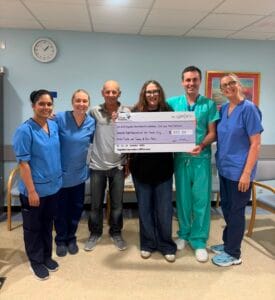
Supported by funding from NHS Tayside Charitable Foundation, the ward introduced a comprehensive sensory intervention designed around the voices of patients and staff.
Key features of the project include:
The Sensory Room: A bespoke, low-stimulation environment featuring adjustable lighting, soft furnishings, calming sounds, and tactile resources.
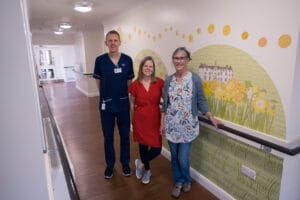
Creative Therapy: The room features a unique, bespoke mural designed and painted by Healthcare Support Worker Jill McConnell, adding a personal and creative element to the space.
Mobile Support: To ensure these benefits reach every patient, a "calming trolley" was introduced, allowing sensory resources to be brought directly to patients throughout the ward in various settings.
Person-Centred Care: Initiated as a "Safewards" intervention, the project strengthens the ward's commitment to trauma-informed, person-centred care.
The introduction of these sensory tools has transformed the day-to-day experience for both patients and clinicians:
Emotional Regulation: Patients now have a safe space to relax, regulate their emotions, and engage in therapeutic activities tailored to their specific needs.
Positive Feedback: Dr. Julie Cottrell, Clinical Psychologist, noted that patients are already reporting highly positive feedback regarding the calming and relaxing atmosphere.
Community Connection: During the project's launch, trustees experienced the therapeutic value firsthand, sharing a tea and cake prepared by an inpatient—highlighting the room's role in fostering meaningful conversation and social connection.
This development reflects a significant shift toward enhancing care environments to improve clinical outcomes.
Richard McIntosh, Fund Development Manager, highlighted that the project places patient experience at its heart, offering vital opportunities to support long-term recovery.
Colleen Carlton, Trustee, emphasized how inspiring it was to see the space in use, noting its immense value in helping patients take control of their own wellbeing.
Looking Ahead
The success of the Amulree Ward project serves as a blueprint for the future of mental health care in Tayside. With the environment shaped by the needs of those who use it, there are now ambitions to extend similar sensory-based, therapeutic approaches across other healthcare settings within the region.